Construction and renovation projects can transform a property, but the finishing work often leaves windows covered in dust, paint splatters, adhesive residue, and dried mortar. Even newly installed windows may look cloudy or stained when construction debris remains on the glass. Removing these materials requires more than an ordinary window wash because the wrong tools or cleaning products can scratch the glass or damage window frames.
Post construction window cleaning is an important final step before a newly built or renovated property is ready for occupancy. It helps restore glass clarity, improve the property’s appearance, and remove stubborn residue left behind by contractors and construction crews.
At Sparkle Windows, we understand the importance of careful window maintenance and detailed cleaning. In this guide, we explain how professionals approach construction-related glass contamination, which tools can help remove paint and mortar, how to handle chemical cleaning products safely, and why tempered glass requires special attention.
Why Is Post Construction Window Cleaning Important?
Construction activities generate a variety of materials that can settle on windows and surrounding frames. Sawdust, drywall particles, paint overspray, cement residue, silicone, and adhesive deposits may remain even after the main construction cleanup is complete.
Ordinary glass cleaning methods may remove loose dust and fingerprints, but they are not always sufficient for hardened construction debris.
Professional post construction window cleaning focuses on removing these contaminants while protecting the glass and its surrounding components.
Common benefits include:
Clearer glass: Removing paint spots, dust, and residue improves the appearance of windows.
A better final presentation: Clean windows help newly constructed or renovated properties look finished and ready for use.
Removal of stubborn debris: Specialized tools and appropriate cleaning products can address contaminants that routine cleaning cannot remove.
Attention to window details: Frames, tracks, sills, corners, and edges can also collect construction residue.
Reduced risk of accidental damage: A careful cleaning process helps prevent scratches caused by improper tools or trapped debris.
The condition of the glass should always be assessed before cleaning begins. Some marks that look like ordinary dirt may actually be scratches, mineral deposits, or permanent surface damage.
Common Window Contaminants After Construction
Understanding the type of residue on the glass is essential because different contaminants require different removal methods.
Paint Overspray and Dried Paint
Paint overspray can settle on windows during interior or exterior painting. Small droplets may dry into hard spots that remain visible even after washing.
The correct removal method depends on the paint type, how long it has been on the glass, and whether the window has a special coating. Water-based paint may respond to appropriate moisture and gentle cleaning, while other paints may require a compatible cleaning product.
Trying to scrape dried paint without first assessing the glass can create scratches or damage sensitive coatings.
Mortar and Cement Residue
Mortar, grout, and cement particles may splash onto windows during masonry work. Once these materials dry, they can become difficult to remove.
Cement-based residue is especially challenging because it can be abrasive. Scrubbing it directly across the glass may drag hard particles over the surface and cause scratches.
Cleaning mortar off window glass requires careful assessment, controlled removal, and products that are compatible with the glass and surrounding materials.
Silicone and Adhesive Residue
Sealants, tapes, protective films, and construction adhesives can leave sticky deposits around window edges or directly on the glass.
These residues may require a suitable adhesive remover or a manufacturer-approved cleaning product. Strong solvents should never be used without confirming their compatibility with the glass coatings, seals, frames, and nearby finishes.
Construction Dust and Fine Debris
Drywall dust, sanding particles, and masonry dust can settle across the entire window surface. These particles should be removed carefully before any wiping or scraping begins.
Wiping a dusty window with a dry cloth may drag abrasive particles across the glass, increasing the risk of fine scratches.
How to Remove Paint From Glass Windows Safely
Removing paint from glass windows requires patience, appropriate tools, and a clear understanding of the glass type.
Although ordinary glass can sometimes tolerate controlled mechanical removal, not every window is suitable for scraping. Tempered glass, coated glass, and certain specialty glazing products may be particularly vulnerable to damage.
Step 1: Inspect the Window Surface
Before cleaning, inspect the glass for visible scratches, coatings, existing damage, and construction debris. Identify whether the glass is tempered, coated, tinted, or otherwise treated.
Tempered glass may contain microscopic fabrication debris introduced during manufacturing or handling. If a scraper moves across the surface, this debris can become trapped between the blade and glass, causing scratches.
If the glass type or surface condition is uncertain, avoid scraping until the appropriate cleaning method has been confirmed.
Step 2: Remove Loose Dust and Grit
Begin by removing loose construction dust and particles with a suitable cleaning method. The goal is to prevent abrasive debris from being dragged across the glass during subsequent work.
A generous application of a compatible glass-cleaning solution may help loosen surface dirt. Follow the window manufacturer’s guidance and avoid allowing cleaning products to dry on the surface.
Step 3: Select the Appropriate Removal Tool
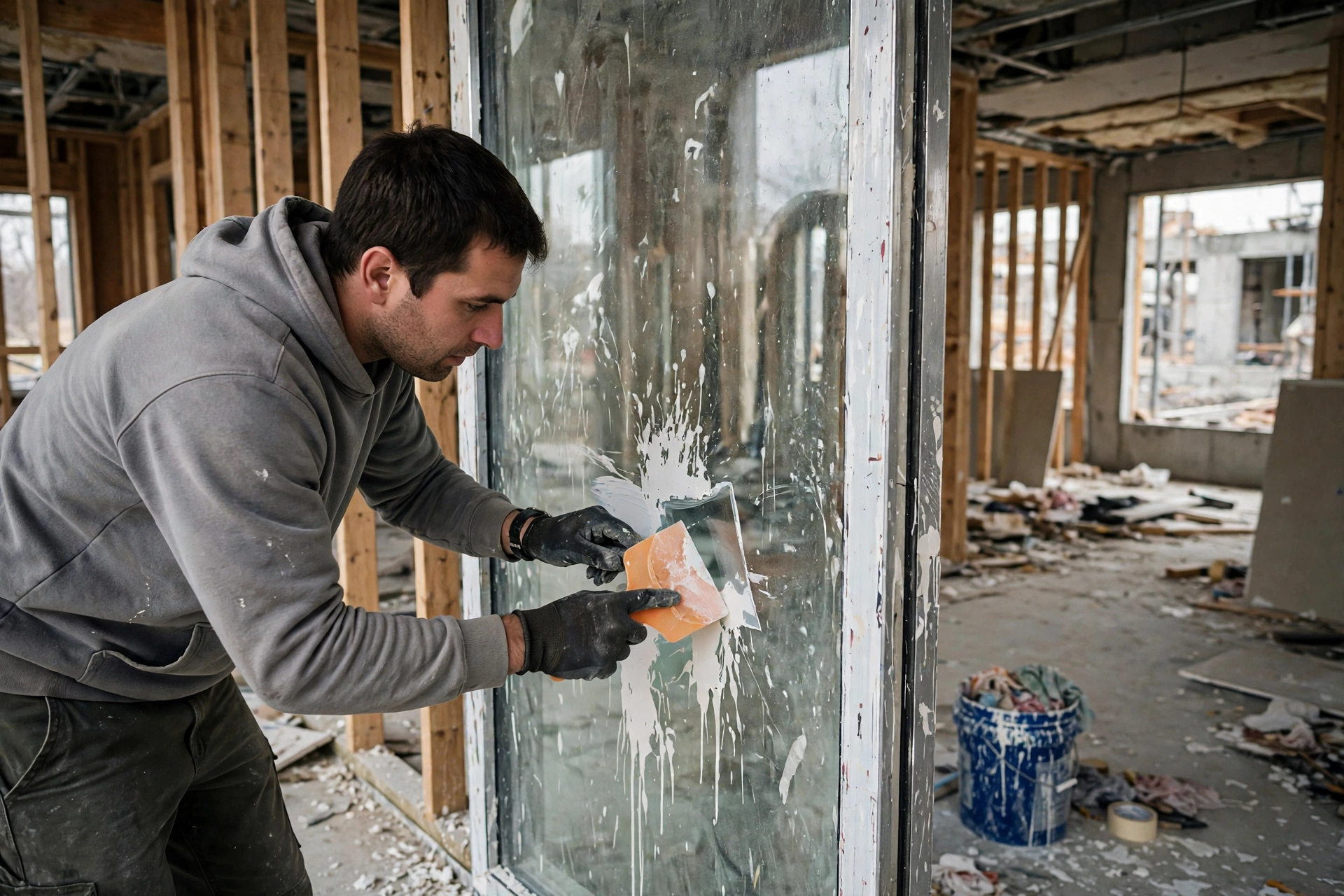
A plastic scraper blade may help lift certain paint deposits and adhesive residue from compatible glass surfaces. Compared with a metal blade, a plastic tool can reduce some risks associated with sharp edges, but it is not completely scratch-proof.
The scraper should be clean, undamaged, and appropriate for the contaminant being removed. Apply minimal pressure and work carefully in a controlled direction.
For sensitive, coated, or uncertain glass surfaces, a non-scraping method may be preferable.
Step 4: Test a Small Area
Before treating the entire window, test the selected method in a small, inconspicuous area when permitted by the manufacturer’s guidance.
Check whether the residue releases without scratching, discoloring, or affecting the surrounding finish. Stop immediately if the glass develops marks or the cleaning method appears unsuitable.
Step 5: Wash and Detail the Glass
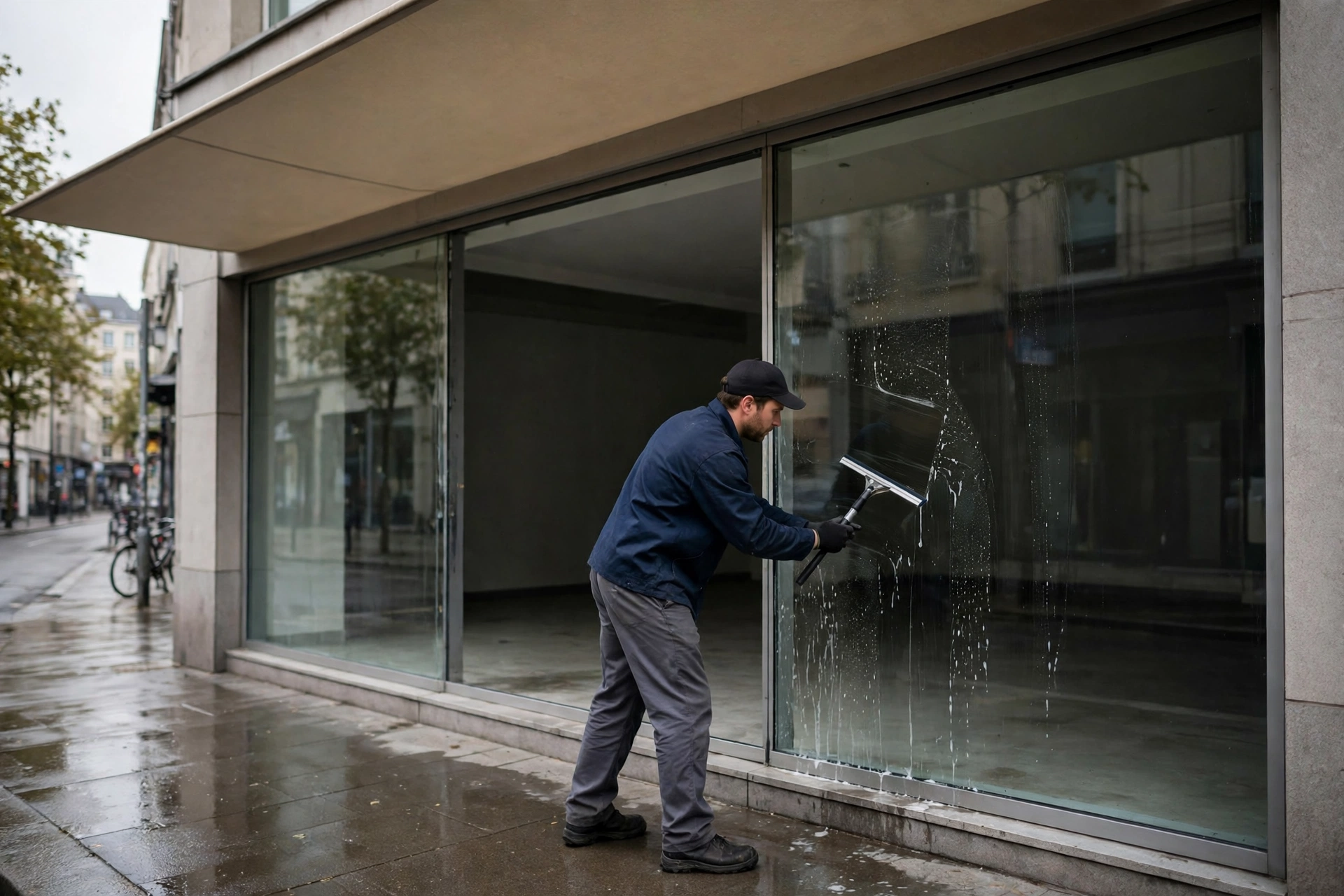
Once the residue has been removed safely, wash the glass with a suitable cleaning solution and clean tools. Finish with a squeegee and a lint-free cloth to remove remaining moisture and streaks.
Inspect the glass from different angles under good lighting to identify any remaining residue.
Tempered Glass Scraper Safety: What You Need to Know
Tempered glass is widely used in doors, windows, shower enclosures, and other architectural applications because of its strength and safety characteristics. However, its surface can be vulnerable to certain types of cleaning damage.
One major concern is microscopic fabrication debris, sometimes associated with glass manufacturing, tempering, transport, or installation. Tiny hard particles can adhere to the surface and may not be visible during a routine inspection.
When a scraper blade passes over these particles, they can become trapped between the blade and the glass. The resulting scratches may be permanent.
Why Scraping Can Be Risky
A scraper does not automatically damage glass, but the combination of unsuitable glass, embedded debris, incorrect blade condition, and improper technique can create serious problems.
Risks include:
Scratches that become visible in direct sunlight.
Damage to certain coated or treated surfaces.
Marks caused by debris trapped under the blade.
Damage from chipped, dirty, or unsuitable scraper edges.
Disputes over responsibility for scratches discovered after cleaning.
For these reasons, never assume that a glass surface is safe to scrape simply because it looks smooth and clean.
Before using a blade, confirm the glass type, review manufacturer recommendations, and assess whether the proposed technique is appropriate. If there is any uncertainty, use a safer alternative or consult a qualified glass professional.
Chemical Solvent Safety for Construction Window Cleaning
Some construction residues cannot be removed effectively with water alone. Depending on the material, an appropriate solvent or specialized cleaning product may help dissolve paint, adhesives, sealants, or other deposits.
However, chemical selection requires care. A product that works on one contaminant may damage another surface.
Choose a Compatible Product
Always read the product label and technical instructions before applying a chemical cleaner. Confirm that the product is suitable for the glass type and will not damage nearby window frames, gaskets, sealants, painted surfaces, or coatings.
Some solvents can discolor plastic frames, soften sealants, or damage protective films.
Use Appropriate Ventilation and Protective Equipment
Follow the manufacturer’s recommendations for gloves, eye protection, ventilation, and other personal protective equipment. Outdoor cleaning may still involve exposure to vapors, splashes, and runoff.
Never mix cleaning chemicals unless the product manufacturer explicitly confirms that doing so is safe.
Prevent Chemical Contact With Surrounding Materials
Apply cleaning products carefully and in controlled amounts. Protect nearby finishes and prevent runoff from reaching sensitive surfaces, landscaping, or drainage areas where it could cause damage.
Allow products to remain on the surface only for the recommended time. Excessive application or prolonged contact does not necessarily improve cleaning results.
Dispose of Waste Properly
Paint residue, chemical-contaminated cloths, and other construction-cleaning waste should be handled according to product instructions and applicable local requirements.
Safe chemical handling protects both the person performing the work and the property being cleaned.
Cleaning Mortar Off Window Glass Without Scratching It
Dried mortar can be one of the most challenging forms of construction residue because it contains hard mineral materials that may scratch glass during removal.
The first step is to determine how firmly the mortar is attached and whether it can be loosened without mechanical scraping.
Use a Controlled Cleaning Approach
Begin by assessing the surface and removing loose particles without dragging them across the glass. A compatible cleaning solution and careful rinsing may help remove lighter residue.
Hardened mortar may require a specialized removal method, but acidic cleaners and aggressive scraping should not be used indiscriminately. Some products can damage metal frames, masonry finishes, seals, or specialty glass.
Avoid Aggressive Abrasion
Steel wool, abrasive pads, scouring powders, and rough tools may leave permanent marks. Even a soft-looking cloth can scratch glass if it contains trapped grit.
If mortar has bonded strongly to the surface, a qualified cleaning professional or glass specialist can help determine the safest removal method.
In some cases, preventing damage is more important than removing every deposit through increasingly aggressive techniques.
New Construction Window Wash: A Step-by-Step Process
A new construction window wash should follow an organized sequence to reduce the risk of damage and ensure that overlooked details receive attention.
1. Initial Assessment
Inspect the glass, frames, sills, and tracks. Identify paint, mortar, adhesive, silicone, and other construction-related contaminants.
2. Dry Debris Removal
Remove loose dust and debris using a suitable method before wet cleaning. This helps prevent abrasive particles from being dragged across the glass.
3. Targeted Residue Treatment
Select a compatible removal method for each contaminant. Paint, cement residue, and adhesives may require different tools or cleaning products.
4. Glass Washing
After targeted residue has been addressed, clean the windows with a suitable glass-cleaning solution and clean equipment.
5. Squeegee and Detail Wipe-Down
Use a squeegee to remove cleaning solution and water from the glass. Wipe edges, corners, frames, and sills with clean, appropriate cloths.
This detail wipe-down helps remove remaining moisture, drips, and visible streaks.
6. Final Inspection
Inspect the finished windows under suitable lighting. Look for remaining construction residue, streaks, damaged seals, and pre-existing or newly noticed surface defects.
Documenting the condition of the glass before and after cleaning can also help clarify the source of any concerns.
Why Hire Professional Post Construction Window Cleaning Services?
Construction cleanup often involves more than routine window washing. The presence of dried paint, mortar, sealants, and fine debris increases the possibility of damaging glass if the wrong approach is used.
Professional post construction window cleaning services can help property owners manage these challenges with an organized process.
A suitable service provider should understand the differences between glass types, recognize the risks associated with scraping, select compatible cleaning products, and know when a particular stain requires specialist attention.
Professional cleaning can be particularly helpful for:
Newly constructed residential properties.
Commercial buildings undergoing renovation.
Office spaces preparing for occupancy.
Properties with extensive exterior glazing.
Renovations involving painting, masonry, or window replacement.
Before hiring a provider, discuss the type of construction residue present, the number of windows, access requirements, and any known concerns about the glass. A clear scope of work helps establish realistic expectations and reduces the risk of misunderstandings.
Why Choose Sparkle Windows?
Sparkle Windows understands that clean windows play an important role in the final appearance of a property. After construction or renovation, glass may need careful attention to remove dust, paint spots, and other visible residue.
The most important consideration is selecting a cleaning method that suits the glass and the contamination. Not every mark should be scraped, and not every cleaning product is appropriate for every window.
When planning post-construction cleanup, property owners should prioritize careful surface assessment, suitable tools, compatible cleaning products, and a thorough final inspection.
Whether your project involves a newly built home or a renovated commercial space, a well-planned window-cleaning process can help improve the finished appearance while minimizing avoidable risks.
Final Thoughts
Post construction window cleaning is an essential finishing task for properties affected by paint overspray, mortar, adhesives, and construction dust. Removing these materials safely requires a method tailored to the type of contamination and the condition of the glass.
Plastic scraper blades, compatible cleaning solutions, and careful detail work can be useful in suitable circumstances. However, tempered glass and coated surfaces require particular caution because scraping may cause permanent scratches when microscopic fabrication debris is present.
By assessing the glass before cleaning, avoiding aggressive tools, handling solvents responsibly, and completing a detailed final wipe-down, property owners can reduce the risk of damage and achieve a cleaner finish.
Getting ready to complete your construction or renovation project? Contact Sparkle Windows to discuss your window-cleaning needs and determine an appropriate approach for your property’s glass surfaces.